AI Isn't Killing Jobs Yet. But 2030 Is Close.
LinkedIn's data shows a 20% hiring drop since 2022, but AI isn't the cause. That might change faster than most businesses are ready for.

LinkedIn has over a billion members and a real-time view of the global labor market. Their conclusion after looking at whether AI is displacing workers: not yet.
What LinkedIn's hiring data actually shows in 2026
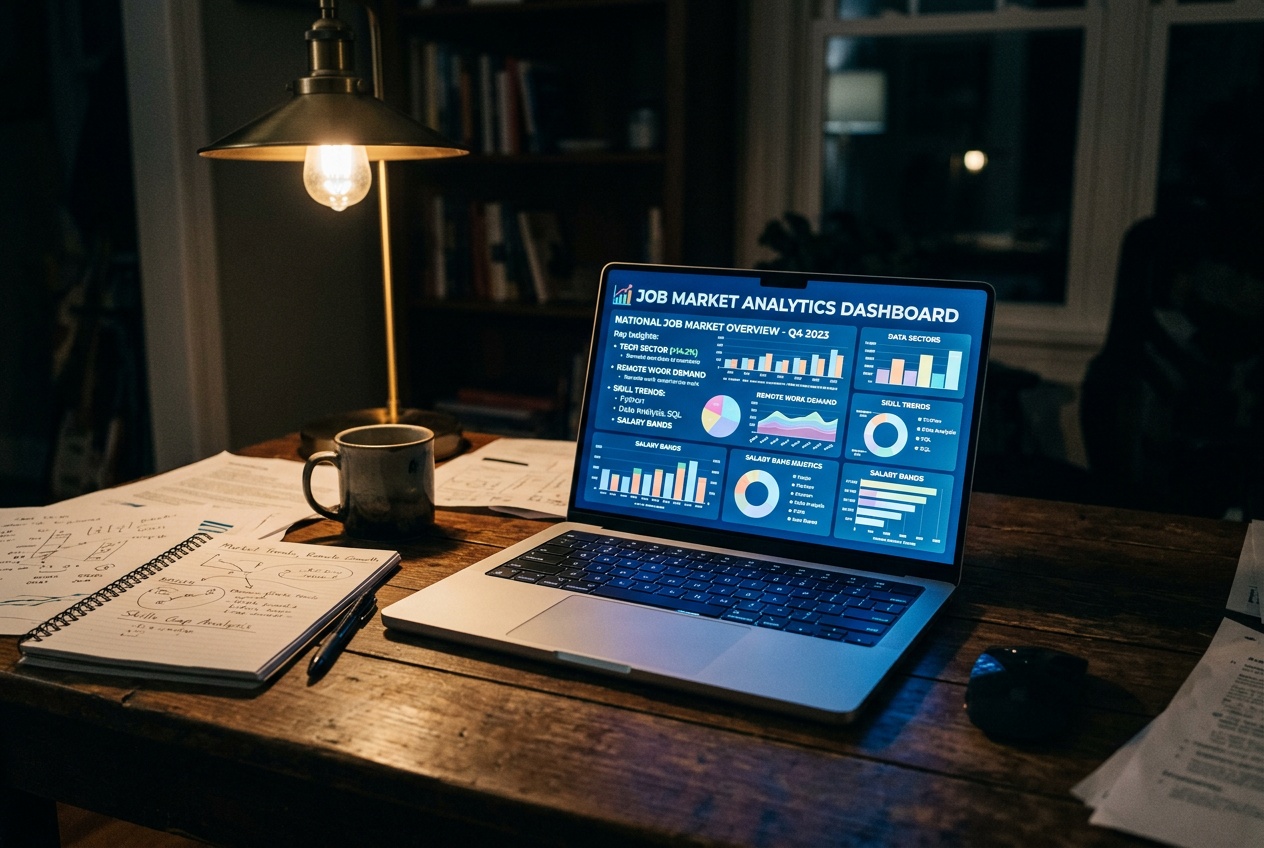
Blake Lawit, LinkedIn's chief global affairs and legal officer, confirmed at the Semafor World Economy summit this week that hiring on the platform is down roughly 20% since 2022. He was direct about where that decline comes from: interest rates, not automation. Customer support, administrative work, marketing, the exact roles everyone expects AI to hollow out first, are not showing unusual drops. Hiring is down, but not down more in those categories than anywhere else.
That's a meaningful finding. LinkedIn's data set is enormous. If white-collar AI displacement were happening at scale, the signal would show up there before almost anywhere else.
The part that should get more attention came near the end of his remarks. The skills required for the average job have already shifted 25% over the last few years. LinkedIn expects that number to hit 70% by 2030. His framing was precise: even if you keep your job, the job itself is changing.
Why the "no impact yet" finding is easy to misread
The temptation is to read this as good news and move on. It is not bad news, but it is not a green light either.
The history of technology and labor is full of long gaps between when a tool becomes capable and when its adoption reaches the scale needed to register in employment statistics. Spreadsheets did not eliminate accounting departments in the first year. The internet did not reshape retail overnight. The displacement tends to arrive in waves, and the first wave is usually invisible in the aggregate numbers because it shows up as slower hiring rather than mass layoffs.
What is different this time is the speed of capability improvement. The models available today are not the models that will be running business processes in 2028. The organizations that are slow to adapt their internal skills will not get a warning. The numbers will look fine until they do not.
From where I sit building workflows for small businesses, the displacement question is almost beside the point. The more immediate issue is that the companies I work with are trying to do more with the same number of people, and the tools available to help them do that have improved dramatically in the last 18 months. That is not AI taking jobs. That is AI making existing staff capable of handling more volume without adding headcount. The effect on employment statistics is the same, though.
What a 70% skills shift means for small business operators
The 70% figure is the one worth sitting with. If the skills required to do your job change by 70% in four years, the people on your team who are not actively learning new tools will be in a different position than they are today. This is true whether you run a five-person e-commerce operation or a fifty-person agency.
The practical implication is not to panic and start automating everything. It is to be honest about which tasks in your business are genuinely cognitive work and which are just information routing. Order confirmation emails, inventory alerts, support ticket tagging, report generation, most of that is not thinking. It is pattern matching. The tools to handle it are available now and are not expensive. Freeing your people from that work is not a cost-cutting move. It is how you give them room to develop the skills that will still matter in 2030.
LinkedIn's data says AI has not reshaped hiring yet. That window is probably shorter than most operators assume.